Native Bee Hives
❋
Hive Design
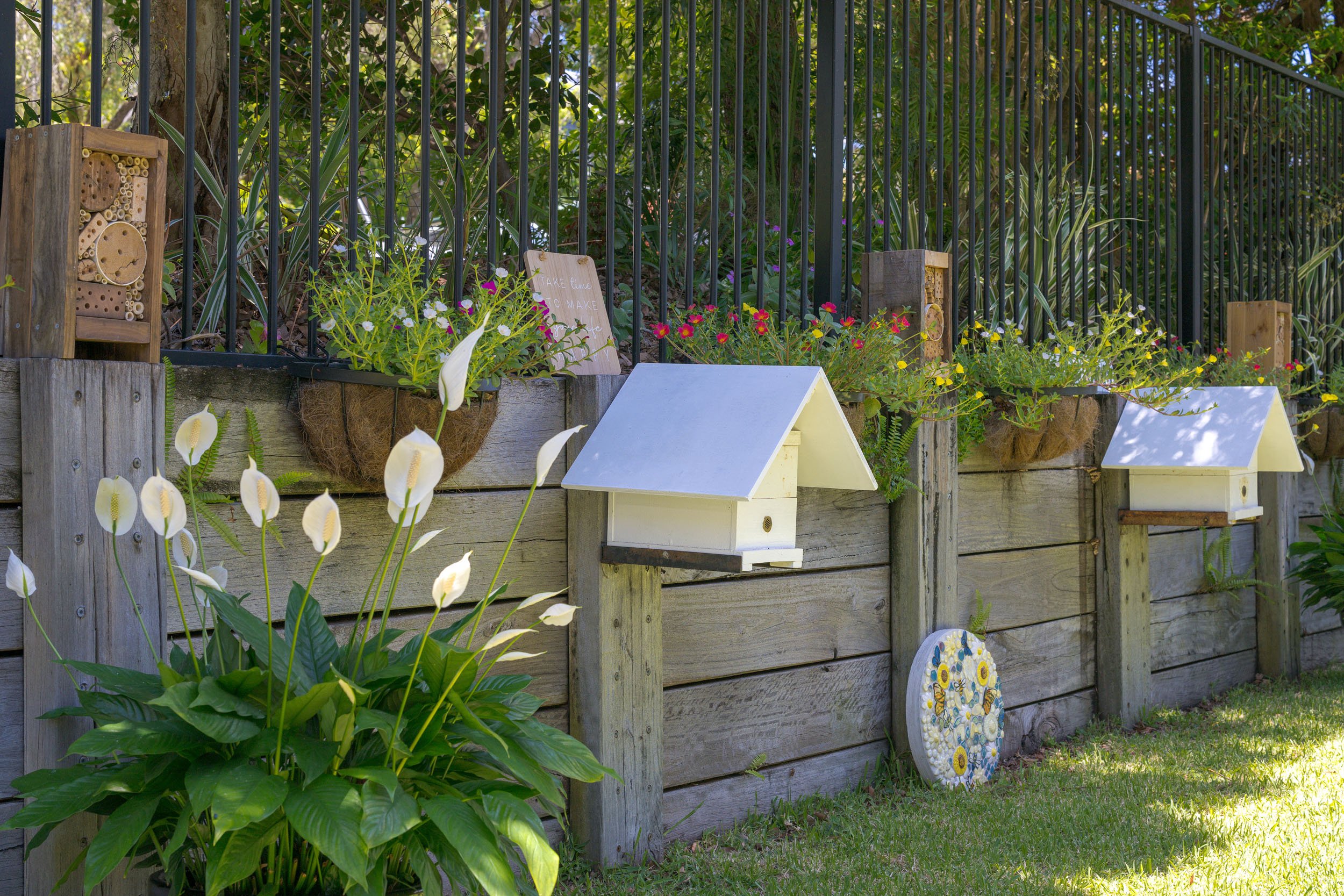
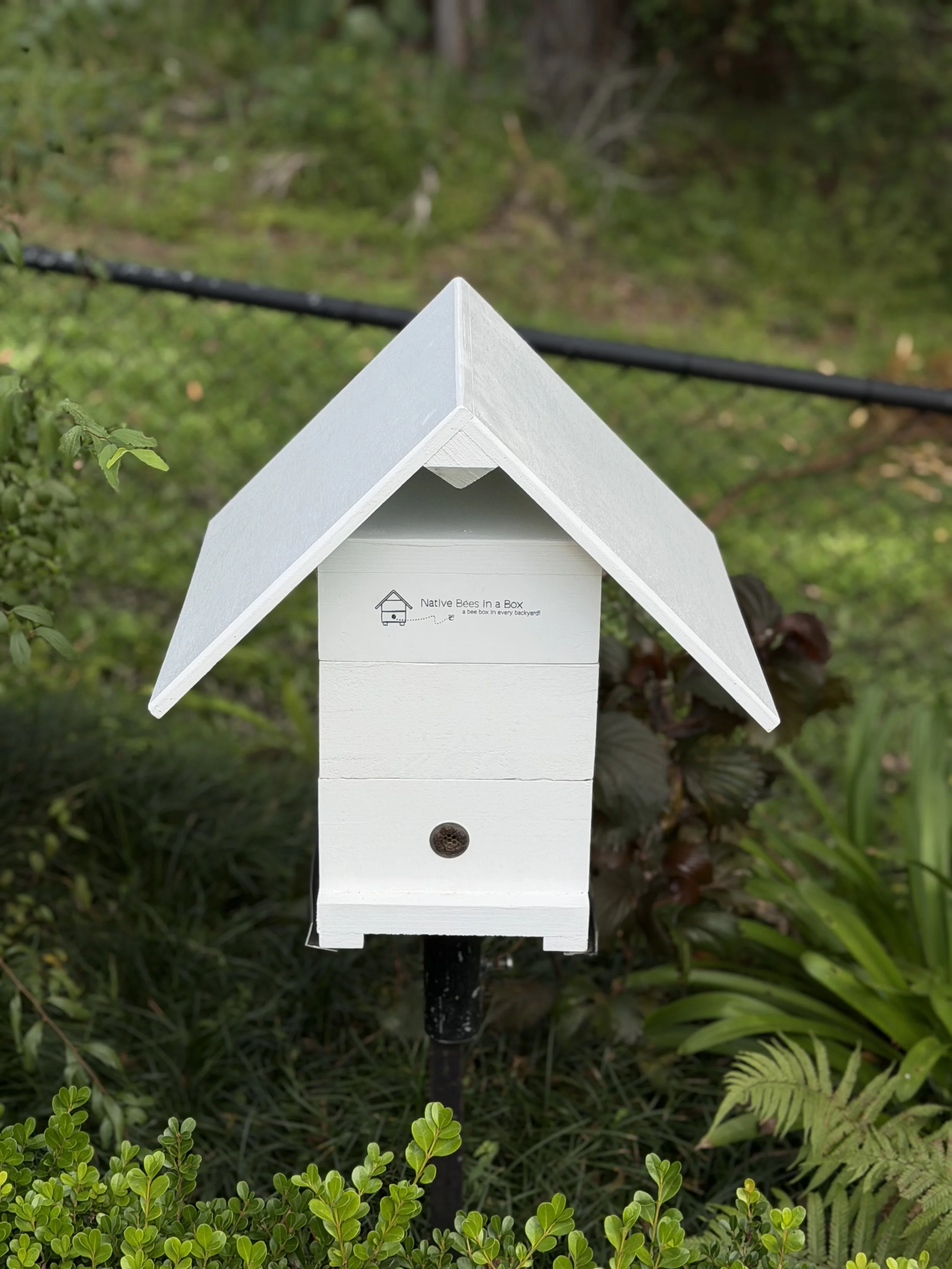
Our hive boxes are handcrafted from locally sourced, sustainable timber, chosen for its strength and natural resistance to weather and termites.
Each hive has a protective A-frame roof to keep out rain and summer heat, with flexible stand options to suit your school garden.
Designed for thriving bee colonies and curious young minds, these hives create a living, buzzing learning experience for students and staff alike.
All hives come stocked with stingless native bees and with a six month warranty.
$550+GST + 6 months warranty.
Location
Finding the right spot is part of the learning experience! Hives should be placed out of the hot afternoon sun in summer, while still getting plenty of warmth in winter.
We provide guidance to help your kindergarten or school choose the best location and support you if the hive ever needs to be moved.
❋
Bee-friendly Gardens.
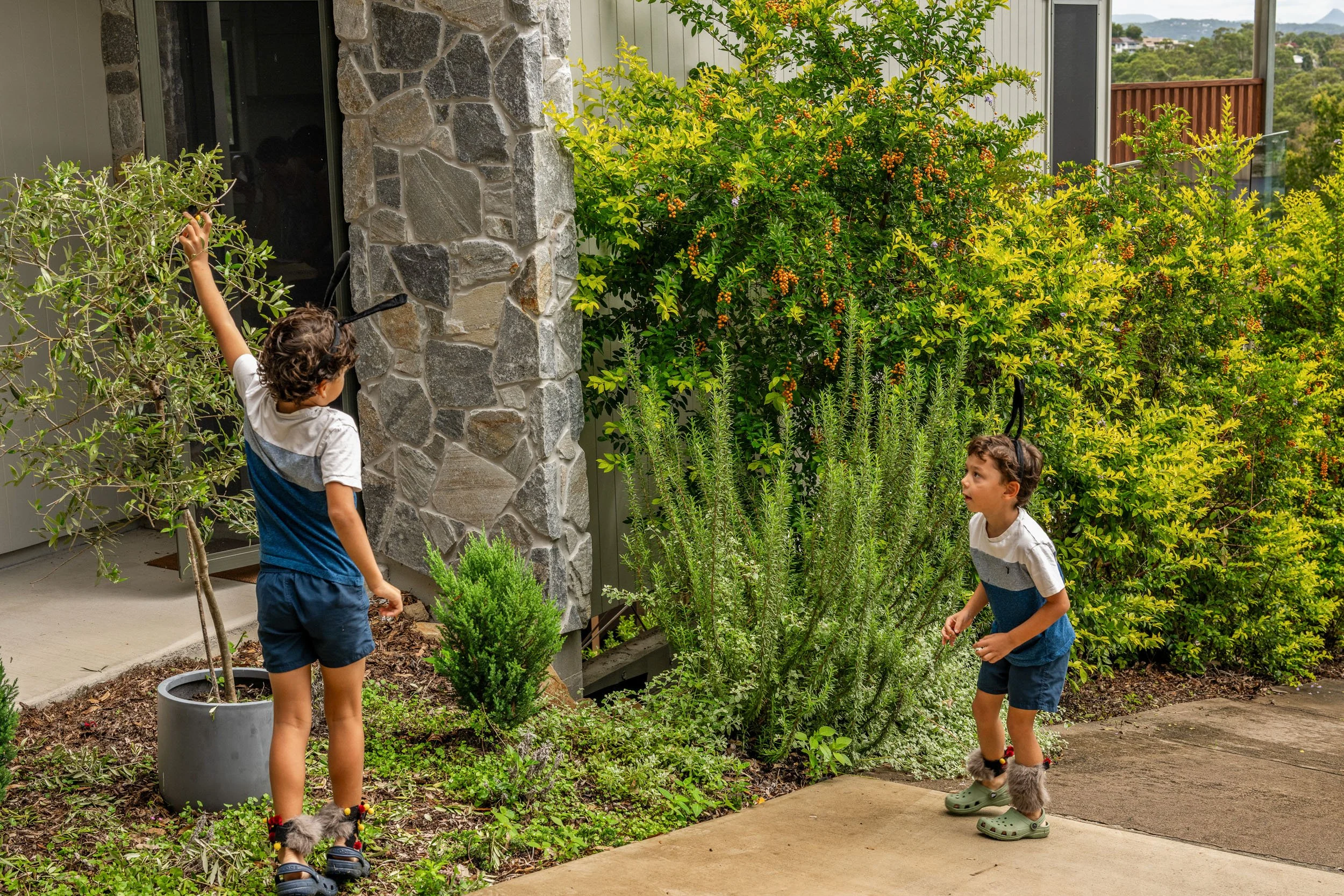
Our stingless native bees can travel up to 500 metres in search of food, but they’ll love having food close by.
We provide simple planting ideas to help students and staff create a bee-friendly garden, supporting pollinators while bringing science and sustainability to life in a hands-on, meaningful way.
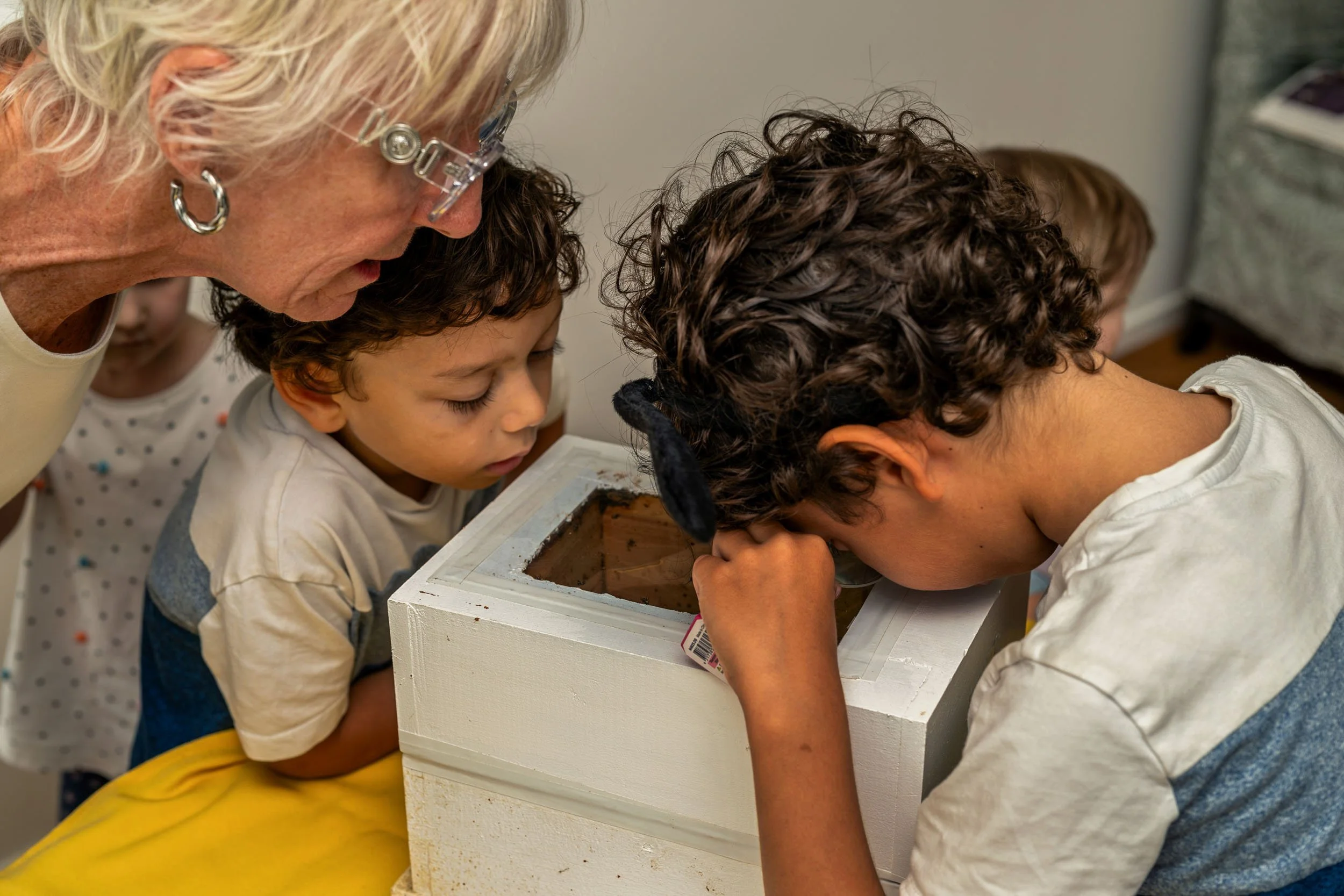
Ready to bring native bees to your kindergarten or school?
Create a unique, hands-on learning experience your students will never forget. Get in touch to find out how to organise an interactive native bee incursion and/or introduce a native beehive to your school community.
❋
Our Services
Hive Splitting
Already have an established hive? I am available to split your hive when ready. Contact me for advice on how to assess this and the costs involved.
Hive Rescues
Have a hive of native bees in a damaged log or an inconvenient location? Get in touch to discuss safe, practical options and the costs involved.
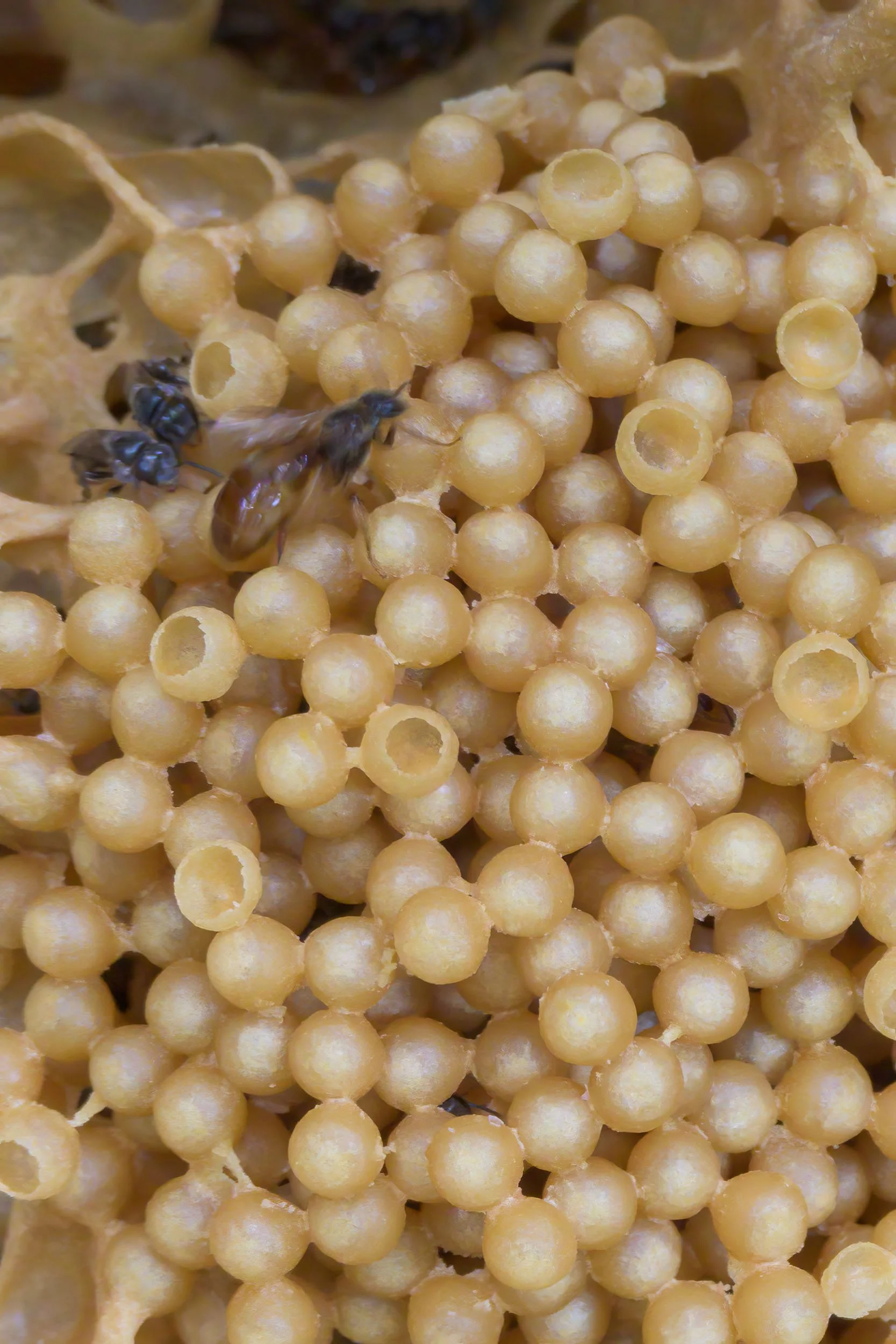
Interesting Facts About Bees.
❋ Bees evolved around 120 million years ago, which means they were around with the dinosaurs!
❋ They evolved from wasps, which have been on the planet approximately 200 million years.
❋ There are approximately 200,000 different types of bees worldwide. Around 2,000 are estimated to be in Australia.
❋ Most of Australia’s native bees are solitary, living in holes in the ground or in timber; while a few are semi-social sharing nests or locating them close together.
❋ Only 11 species are known to be fully social, living in colonies.
❋ Bees don’t have ears. Instead, they “listen” with their antennae and legs through picking up vibrations.
❋ Around 75% of the food we eat depends on insects for pollination, with bees being crucial pollinators for around 30-35% of global food crops.